
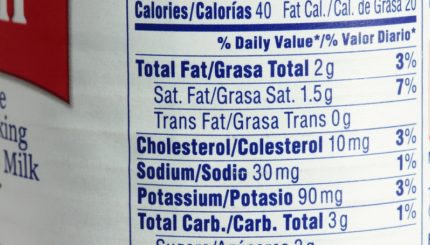
Packaged Foods See Sodium Decrease
[ad_1] (RxWiki News) Dietary sodium in packaged foods and beverages appears to have decreased in recent years, according to a new study. High sodium intake has been linked to high
[ad_1] (RxWiki News) Dietary sodium in packaged foods and beverages appears to have decreased in recent years, according to a new study. High sodium intake has been linked to high
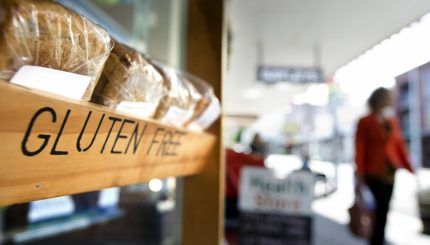
[ad_1] (RxWiki News) Going gluten-free may not be healthy for everyone. In fact, it may only benefit those with celiac disease, according to a new study. This new study found
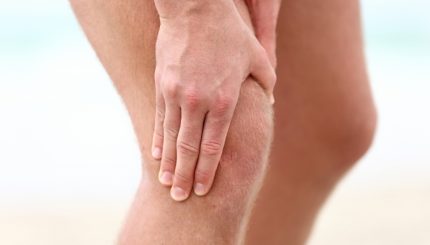
[ad_1] (RxWiki News) Losing weight might slow down the degeneration of cartilage in your knees, according to a new study. Overweight or obese patients who lost 5 percent or more of
[ad_1] (RxWiki News) Having a healthy heart in middle age may mean you’re set to have a long, healthy life, according to a new study. Study participants who didn’t have

[ad_1] (RxWiki News) Even a small increase in the number of kids who get regular exercise could help keep kids healthier into adulthood and save billions in medical costs, a
[ad_1] (RxWiki News) Energy drinks may affect your blood pressure and your heart’s electrical activity, a new study found. The study showed that energy drink consumption led to more profound changes in
[ad_1] A new study’s findings go against the so-called “obesity paradox.” It found that patients who become overweight or obese had a higher risk of dying. [ad_2] Source link
[ad_1] (RxWiki News) For older adults with heart disease, physical activity is key to staying independent and promoting heart health, according to a statement from the American Heart Association (AHA).
[ad_1] (RxWiki News) People who are stressed out for long periods of time may face a higher risk of becoming obese, according to a new study. In the past, researchers
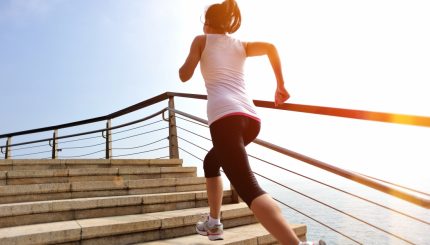
[ad_1] (RxWiki News) Lifestyle choices may help prevent heart failure, including a type that’s usually resistant to available therapies, a new study found. Those lifestyle choices included taking a 30-minute walk