-
×
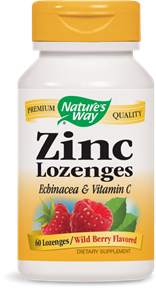 Zinc Lozenges
1 × $5.99
Zinc Lozenges
1 × $5.99 -
×
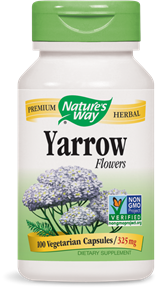 Yarrow Flowers
1 × $5.99
Yarrow Flowers
1 × $5.99
Subtotal: $11.98

[ad_1] (RxWiki News) The US Food and Drug Administration (FDA) has approved a new radiation therapy system to treat breast cancer. This new approval is called the GammaPod system. It’s

[ad_1] (RxWiki News) Some women with breast cancer may not feel completely informed about their treatment options, according to a new study. And a separate new study found that using
[ad_1] (RxWiki News) The US Food and Drug Administration (FDA) has approved a new biosimilar. And it’s the first biosimilar to treat certain breast and stomach cancers. It can be

[ad_1] (RxWiki News) Obesity and diabetes might have caused nearly 800,000 cases of cancer around the world in 2012, a new study found. That’s nearly 6 percent of new cancer
[ad_1] (RxWiki News) A lung cancer drug has received regular approval from the US Food and Drug Administration (FDA). The medication is called Alecensa (alectinib). The FDA approved it to
[ad_1] (RxWiki News) Performing regular breast self-exams can make all the difference in women’s health. That’s why adult women are often advised to perform a breast self-exam at least once

[ad_1] (RxWiki News) Cancer types associated with being overweight or obese may account for almost half of cancer diagnoses in the United States, according to a report from the Centers

[ad_1] (RxWiki News) Just in time for National Breast Cancer Awareness Month, a new breast cancer treatment has received approval from the US Food and Drug Administration (FDA). The FDA
[ad_1] (RxWiki News) The US Food and Drug Administration (FDA) has approved the United States’ first biosimilar drug to treat cancer. This new medication is called Mvasi (bevacizumab-awwb). The FDA
[ad_1] (RxWiki News) The foods you eat may have an impact on your risk for colorectal cancer, according to a new report. More specifically, eating more whole grains, such as