
Scoliosis 101 | RxWiki Leave a comment
[ad_1]
(RxWiki News) Is your child at risk for scoliosis?
Here’s what you need to know about this condition.
What Is Scoliosis?
Scoliosis is a disorder marked by a sideways curve in the spine. The most common type of scoliosis is “idiopathic,” which means the exact cause is not known.
Scoliosis can happen to people of all ages. However, the most common type of scoliosis (idiopathic) is seen more often in children ages 10 to 12 and in their early teen years. Furthermore, girls are at a greater risk of progression.
What Are the Symptoms of Scoliosis?
The following are some common symptoms of scoliosis:
- Uneven shoulders
- Head not centered
- Sides of the body not level when compared to each other
- One side of the rib cage higher compared to the other side when bending forward
How Is Scoliosis Diagnosed?
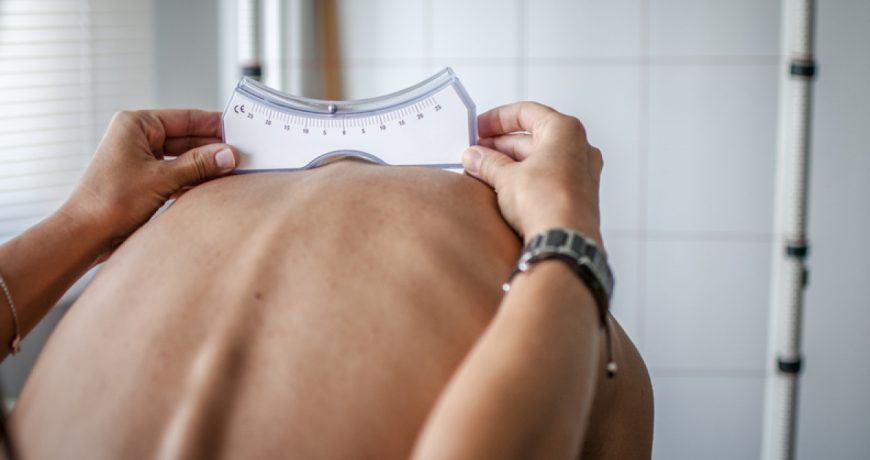
Your child’s doctor will perform a medical history and a physical examination. During the physical exam, the doctor will have your child stand and then bend forward from the waist. With your child’s arms hanging loosely, the doctor will check to see if one side of the rib cage is more prominent than the other side.
An X-ray can lead to a diagnosis of scoliosis and show how severe the curve is.
How Is Scoliosis Treated?
In most mild cases, treatment with a brace or surgery may not be necessary. However, frequent checkups are recommended to look for any changes.
Treatment for scoliosis will depend on age, gender, the type of scoliosis, the severity of the curve, curve pattern, the location of the curve and maturity of the bones.
Braces are a treatment option if your child is still growing and has moderate scoliosis. On the other hand, for severe scoliosis, your doctor may consider surgery to prevent the scoliosis from getting worse.
There is no evidence to show that physical therapy, electrical stimulation or chiropractic care can treat scoliosis curves.
Protect Your Back
Regular doctor exams are important to check for scoliosis or the progression of scoliosis. Talk to your doctor if you have a family history of scoliosis.
Although backpacks do not cause scoliosis, a heavy backpack can lead to chronic pain. Your child’s backpack should weigh no more than 5 to 10 percent of their body weight and hang no more than four inches below the waistline.
If you are concerned that you or your child may have scoliosis, reach out to your health care provider.
[ad_2]
Source link
